Pacific Palisades · LA City (LADBS)
Pacific Palisades New Construction & Fire Rebuild — Custom Homes & Hillside
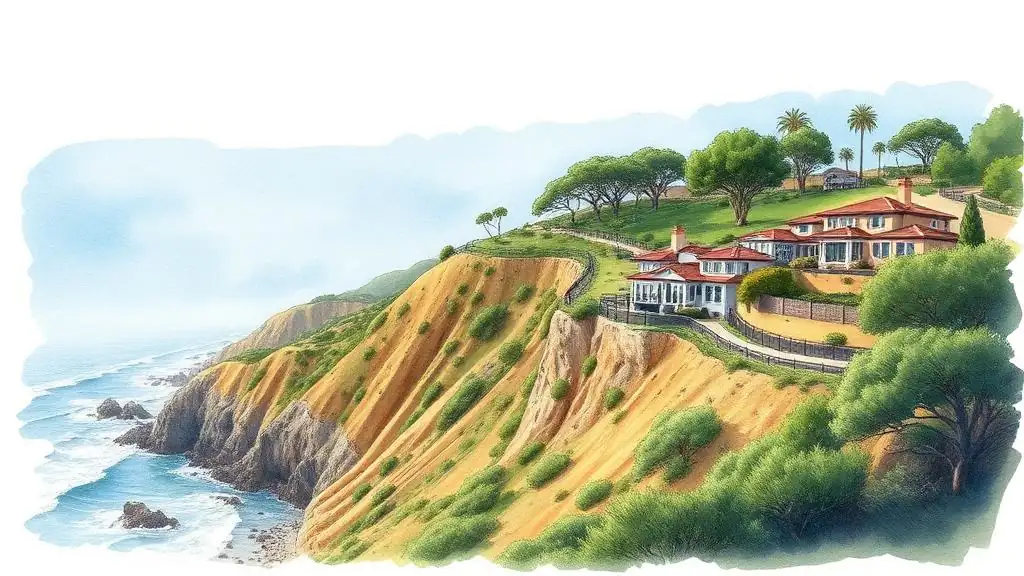
Pacific Palisades sits inside the City of Los Angeles, so ground-up homes — including Palisades Fire rebuilds along Sunset, Temescal Canyon, the Alphabet streets, and the Highlands — are permitted through LADBS with Coastal Zone, Hillside, and Very High Fire Hazard Severity Zone overlays applying to most lots.
CSLB #1156772 · License & insurance details on request
Quick Answer
If you are rebuilding or building new in Pacific Palisades, the first step is a written feasibility review: which LADBS overlays apply to your specific parcel (Hillside, Coastal, VHFHSZ, Methane), what the City's Palisades Fire recovery path allows for like-for-like vs revised design, and what utility reconnection looks like for your block. Cost and timeline cannot be honest without that file in hand.
Who this is for
- Owners rebuilding after the January 2025 Palisades Fire — primary residence or a held lot.
- Homeowners planning a teardown-rebuild on a Palisades hillside or canyon parcel.
- Coastal-edge owners between Sunset and PCH considering a ground-up custom home.
- Buyers under contract on a damaged or vacant lot who need feasibility before closing.
Who reviews new construction in Pacific Palisades?
Pacific Palisades is part of the City of Los Angeles, so building permits, plan-check, and inspections run through the Los Angeles Department of Building and Safety (LADBS) with planning entitlements handled by LA City Planning. There is no separate 'City of Pacific Palisades' building department.
Most Palisades lots carry at least one overlay: the Coastal Zone (which can require a Coastal Development Permit or Coastal exemption), the City's Hillside Ordinance, and a Very High Fire Hazard Severity Zone designation. Lots in the Highlands, Castellammare, and Bel-Air-adjacent canyons typically carry all three.
What ground-up projects suit Pacific Palisades
Fire rebuilds (like-for-like)
Replacement of the destroyed primary residence within the original footprint and envelope, leveraging recovery permits where eligible.
Fire rebuilds (revised design)
New floor plan or larger envelope on a fire-affected lot — falls back to standard LADBS review and current code.
Hillside custom homes
Ground-up homes on sloped lots requiring caisson or grade-beam foundations, retaining systems, and slope-stability sign-off.
Coastal-edge custom homes
Lots inside the Coastal Zone needing CDP review and stricter envelope/glazing rules near the bluff.
Teardown rebuilds
Demolition of an aging structure followed by a current-code ground-up home on the same lot.
Local constraints that shape Palisades budgets and schedules
The Hillside Ordinance and VHFHSZ together set minimums for fire-access width, defensible space, ignition-resistant cladding, ember-resistant vents, and emergency vehicle turnarounds. WUI-compliant assemblies are required and meaningfully change the envelope cost.
Coastal-Zone parcels add a CDP or exemption process to the schedule, and visual-impact rules can constrain height, bulk, and view-corridor preservation. Bluff-adjacent lots may also need a geotech setback from the bluff face.
Block-by-block utility reconnection is its own line item after a fire event. DWP, gas, and communications coordination is rarely on the critical path until it is, so a written utility-reconnect plan belongs in feasibility, not in construction.
Cost factors specific to Pacific Palisades
WUI envelope (ignition-resistant cladding, ember vents, tempered glazing): typically $30–$70/sq ft over standard envelope.
Hillside foundations (caisson + grade beam, retaining): can add 15–35% over a flat-lot foundation depending on slope and soils.
Coastal-Zone review (CDP) adds permit time and may require architectural revisions to satisfy view-corridor rules.
Site access and staging on narrow canyon streets adds logistics cost — small-truck deliveries, crane day rates, and longer haul times.
Permit and timeline reality in Pacific Palisades
For Palisades Fire like-for-like rebuilds inside the recovery pathway, plan-check and permit issuance can move faster than a standard ground-up, but the full design-permit-build cycle is still measured in many months — not weeks.
For standard ground-up homes (hillside, coastal, or non-fire teardowns) the realistic envelope from kickoff to permit issuance is several months to over a year depending on overlays, geotech turnaround, and corrections cycles. We publish range guidance on the Permit Timeline page; the per-parcel range belongs in feasibility.
Engineering you will actually need
Geotech report with slope-stability analysis and foundation recommendations for hillside parcels.
Drainage and erosion-control plan that satisfies the City's stormwater requirements for the lot's slope.
WUI compliance package (cladding, eaves, vents, glazing) per the California Building Code Chapter 7A.
Structural design for caisson/grade-beam foundations and the lateral system that suits the parcel's soil and seismic profile.
Title 24 energy compliance — heat pumps, PV where applicable, ventilation, envelope — under the 2025 Energy Code.
Risks and bottlenecks unique to Palisades
Utility reconnection
DWP/gas reconnects on a damaged block can lag the permit. Plan around it in feasibility, not after foundation pour.
Insurance coordination
Like-for-like rebuilds inside policy limits are the easiest path; revised designs typically require owner equity, separate financing, or both.
Geotech surprises
Slope movement post-fire is real. Always assume new soils data is required even if a prior report exists.
Schedule pressure
Recovery timelines vary by household. Avoid contracts that promise a fixed move-in date before a written plan-check estimate exists.
Frequently asked questions
- Does LADBS review my Palisades rebuild, or is there a separate department?
- LADBS reviews. Pacific Palisades is inside the City of Los Angeles — there is no separate 'City of Pacific Palisades' building department. Planning sits with LA City Planning, and post-fire recovery paperwork runs through the City's Recovery portal.
- Can I rebuild larger than the original footprint?
- The streamlined Palisades Fire recovery pathway generally covers like-for-like rebuilds inside the pre-fire envelope. Larger or revised designs typically step back into standard LADBS review and current code, including hillside, coastal, and WUI requirements. Confirm with the City's recovery materials before assuming a path.
- Do I need a Coastal Development Permit?
- Most Palisades parcels sit inside the Coastal Zone, so a CDP or Coastal exemption is the default starting point. The specific path depends on the parcel's location relative to the bluff and the scope of new work. Feasibility should answer this before design begins.
- How much will WUI compliance add to my budget?
- WUI envelope upgrades (ignition-resistant cladding, ember-resistant vents, tempered glazing, eave detailing) typically add $30–$70 per square foot over a standard envelope in the LA market. Hillside, exposure, and finish level all push the number around.
- Should I keep my existing foundation if it survived the fire?
- Sometimes — but only after a structural and geotech review. Post-fire slope conditions can change soils behaviour, and an existing foundation may not satisfy current code for the home you actually want to build. Treat 'reuse the slab' as a decision, not a default.
- Can you give me a price per square foot for a Palisades rebuild?
- We publish honest 2026 ranges on /new-construction/cost, and we tighten the per-parcel range during feasibility once we have slope, soils, envelope, and finish level. Anyone giving you a firm number from a desk is guessing.
- How long until I'm back in my home?
- We don't quote move-in dates before a written plan-check estimate exists. A like-for-like recovery rebuild can be meaningfully faster than a revised design, but the realistic envelope is still measured in many months, not weeks. Feasibility is the only honest place to set expectations.
- Does coastal review affect a Pacific Palisades rebuild even though it is part of the City of Los Angeles?
- Lots seaward of certain boundaries can fall under coastal review in addition to standard LADBS plan check. A short pre-design screen identifies whether your lot triggers coastal review so the schedule and design respond to it from day one.
Official sources
- City of Los Angeles — Wildfire Recovery ↗
City of Los Angeles
Official recovery portal — Palisades Fire rebuild paths, expedited review eligibility.
- LADBS — Plan Check and Permitting ↗
LA Department of Building & Safety
Authoritative permit and inspection portal for City of LA parcels.
- LA City Planning — Hillside & Coastal Zoning ↗
Los Angeles City Planning
Hillside Ordinance, Coastal Zone overlays, and entitlement guidance.
- CAL FIRE — Fire Hazard Severity Zones ↗
CAL FIRE / OSFM
Parcel-level VHFHSZ confirmation for WUI compliance.
Related pages
- LADBS hillside ordinance for Pacific Palisades →
How City-of-LA hillside permits actually move.
- Fire-rebuild planning for Palisades lots →
Post-loss feasibility and code-cycle implications.
- Bluff and canyon slope/drainage review →
Slope, geotech, drainage, access engineering.
- Custom homes on Palisades coastal/canyon lots →
Design-build for one-off coastal delivery.
- Pacific Palisades coastal cost drivers →
2026 ranges with named drivers.
- Palisades permit-path realistic timeline →
Schedule, feasibility through C of O.
Screen your Pacific Palisades lot for coastal review, slope, and fire-rebuild context
We start every ground-up engagement with a written preconstruction feasibility review — before any contract is signed.
Screen your Pacific Palisades lot for coastal review, slope, and fire-rebuild context