Manhattan Beach · City of Manhattan Beach (not LADBS)
Manhattan Beach New Construction — Coastal Custom Homes & Tight-Lot Rebuilds
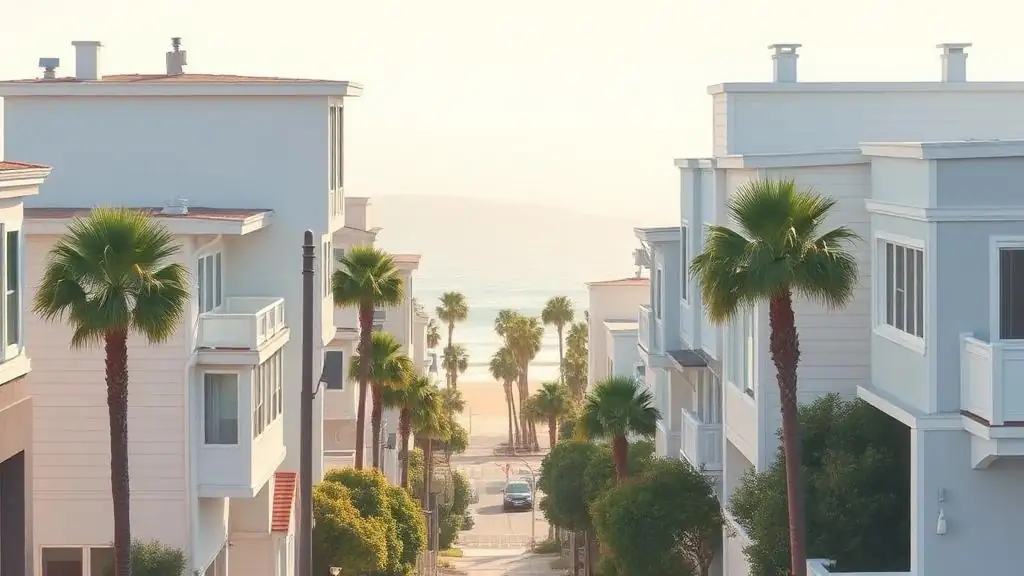
Manhattan Beach is its own incorporated city with its own Building & Safety Division and Planning Division — not LADBS. Ground-up homes are tight-lot, coastal-influence projects: envelope is constrained, neighbour proximity is real, and the City's own design and construction-impact rules drive the schedule.
CSLB #1156772 · License & insurance details on request
Quick Answer
If you are planning a Manhattan Beach custom home or teardown-rebuild, feasibility should answer: what is the realistic envelope under the City's R-1 standards for the specific zone, does the project trigger any design review, and what construction-impact constraints apply on the lot's street and block. Walk-streets, Sand Section parcels, and Hill Section parcels each carry different logistics realities.
Who this is for
- Homeowners planning a coastal custom home in the Sand Section, Hill Section, or Tree Section.
- Owners considering a teardown-rebuild on a tight Manhattan Beach lot.
- Buyers under contract who want feasibility before closing on a teardown lot.
- Owners weighing premium-finish budgets against envelope and logistics constraints.
Who reviews new construction in Manhattan Beach?
All Manhattan Beach permits, plan-check, and inspections go through the City of Manhattan Beach Building & Safety Division. Land-use and design rules go through City Planning. LADBS does not issue permits for Manhattan Beach parcels.
Most of Manhattan Beach sits inside or close to the California Coastal Zone, but the City's certified Local Coastal Program handles most Coastal-Zone determinations locally. Some categories still touch California Coastal Commission appeal jurisdiction — confirm the specific parcel during feasibility.
What ground-up projects suit Manhattan Beach
Coastal custom homes
Ground-up R-1 residences in the Sand, Hill, and Tree Sections under City of Manhattan Beach review.
Teardown rebuilds
Removal of an aging structure followed by a current-code custom home on the same tight lot.
Walk-street parcels
Sand Section lots fronting a walk-street with their own access and staging realities.
Hill Section custom homes
Slope-area parcels with view-corridor and access constraints.
Local constraints that shape Manhattan Beach budgets and schedules
Lots are tight by Southern California standards — staging, hauling, parking, and crane setup all require coordination. Sand Section walk-street parcels have no vehicle access on the walk-street face; construction logistics happen from the back alley.
View-corridor and height rules apply, and design-review or aesthetic-review processes can touch projects depending on the context. Premium-finish projects typically require realistic long-lead-material planning to keep the post-permit schedule honest.
Construction-impact rules — hours, hauling, parking, and noise — are enforced consistently. Neighbour notification and a written staging plan reduce friction materially.
Cost factors specific to Manhattan Beach
Tight-lot logistics (staging, hauling, neighbour coordination) add line-item cost.
Walk-street parcels add alley-based access logistics that aren't trivial.
Hill Section parcels add slope-related foundation and drainage scope.
Premium finishes typical for the market push base ground-up cost above mainstream LA ranges.
Long-lead architectural materials commonly drive the post-permit schedule.
Permit and timeline reality in Manhattan Beach
Standard ground-up plan-check is measured in months. Coastal review (handled locally under the City's LCP for most categories) and any applicable design review extend the front end. Realistic full design-permit-build cycles are measured in many months.
First-submittal completeness is the dominant lever on schedule. Coordinated architectural + structural + energy + (for slope parcels) geotech packages reduce correction cycles materially.
Engineering you will actually need
Soils review per current code; geotech on Hill Section / slope parcels.
Drainage and erosion control per City stormwater requirements.
Structural design with the lateral system the soils and seismic profile call for.
Title 24 energy compliance under the 2025 California Energy Code.
Coastal-specific engineering on bluff-adjacent or beach-influence parcels where applicable.
Risks and bottlenecks unique to Manhattan Beach
Walk-street access
Walk-street parcels build from the alley. Staging and crane plans must account for it from day one.
Neighbour proximity
Tight lots and close neighbours mean construction-impact friction can derail schedule. Written communication helps.
Long-lead materials
Premium finishes commonly drive the post-permit schedule more than permits do.
Coastal appeal exposure
Some categories still touch Coastal Commission appeal jurisdiction. Confirm the specific parcel in feasibility.
Frequently asked questions
- Does LADBS review my Manhattan Beach project?
- No. The City of Manhattan Beach is a separate jurisdiction with its own Building & Safety Division and Planning Division. LADBS does not issue permits for Manhattan Beach parcels.
- Is my parcel in the Coastal Zone?
- Most of Manhattan Beach sits inside or close to the Coastal Zone, but the City's certified LCP handles most determinations locally. Some categories still touch Coastal Commission appeal jurisdiction. Confirm the specific parcel.
- What's the realistic envelope on a Sand Section lot?
- Tight. Lot coverage, FAR, height, and setback rules constrain envelope materially. Walk-street parcels add their own access realities. Feasibility confirms the buildable envelope before architecture starts.
- How do walk-street parcels work for construction?
- Construction access is from the alley behind the lot, not the walk-street face. Staging, hauling, and crane setup all happen from a confined alley footprint and must be planned from day one.
- What's a realistic cost range?
- Manhattan Beach ground-up homes typically sit above mainstream LA ranges because of finish level and tight-lot logistics. See /new-construction/cost; per-parcel ranges come out of feasibility.
- How long is the full design-build cycle?
- Many months. Coastal, design review (where applicable), and long-lead materials all extend the cycle. Clean, coordinated first submittals materially reduce correction cycles.
- Are Hill Section parcels meaningfully more expensive?
- Yes — slope-related foundations, retaining, and drainage scope add cost over a flat-lot equivalent in the Sand or Tree Sections.
- Why does staging matter so much on Manhattan Beach lots?
- Walk-street and tight standard-street lots leave very little material-staging room, so the construction plan must be coordinated with neighbors and the City's encroachment rules from day one to avoid stop-work risk and schedule slippage.
Official sources
- City of Manhattan Beach — Community Development ↗
City of Manhattan Beach
Permit, inspection, and planning authority for Manhattan Beach parcels.
- City of Manhattan Beach — Building & Safety ↗
City of Manhattan Beach
Plan-check and inspection resources.
- California Coastal Commission ↗
California Coastal Commission
Coastal Zone framework and appeal jurisdiction on defined categories.
- California Energy Commission — Building Energy Efficiency ↗
California Energy Commission
2025 Title 24 Part 6 energy code requirements.
Related pages
- Manhattan Beach is independent of LADBS →
Why City-of-LA permitting does not apply here.
- Custom homes on Manhattan Beach narrow lots →
Design-build for tight beach-city delivery.
- Beach-city teardown-rebuild path →
Demo + rebuild on a narrow lot.
- Manhattan Beach cost ranges and drivers →
2026 ranges with named drivers.
- Manhattan Beach permit-path expectations →
Realistic schedule, feasibility through C of O.
- Sandy soils and drainage review near the coast →
Soils, drainage, Title 24.
Review your Manhattan Beach teardown and staging plan before design
We start every ground-up engagement with a written preconstruction feasibility review — before any contract is signed.
Review your Manhattan Beach teardown and staging plan before design