Mountain View · City of Mountain View Community Development
Mountain View New Construction — Custom Homes & Silicon Valley Teardown Rebuilds
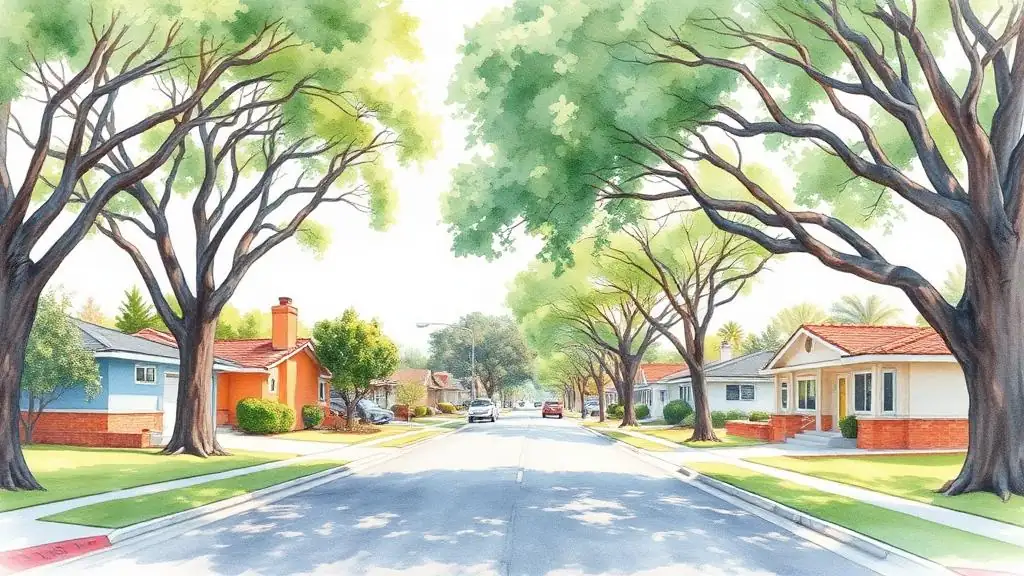
Mountain View custom homes and teardown rebuilds run through the City of Mountain View Community Development Department. Tight Silicon Valley infill lots, daylight-plane and FAR rules, an all-electric reach code on top of the 2025 California Energy Code, and Santa Clara County utility coordination all shape the design and the schedule before architectural intent is locked.
CSLB #1156772 · License & insurance details on request
Quick Answer
If you are building or rebuilding in Mountain View, feasibility should answer three things before architecture: the lot's effective R-1 envelope under current setbacks, FAR, and daylight plane; the City's electrification reach code requirements for new construction; and the utility coordination path with the appropriate water and electric provider for the parcel. All three routinely shape design before owner intent does.
Who this is for
- Owners planning a teardown rebuild on an aging Mountain View single-family lot.
- Homeowners building a new custom home on an intact Mountain View parcel.
- Buyers under contract on a Mountain View teardown lot who need feasibility before close.
- Owners weighing major remodel-plus-addition against a clean ground-up rebuild.
Who reviews new construction in Mountain View?
Mountain View is the City of Mountain View. Planning, plan-check, building permits, and inspections all run through the City's Community Development Department — there is no County review for in-city Mountain View parcels.
Mountain View enforces its own zoning, daylight-plane, FAR, and design rules. The City has historically adopted an all-electric reach code for new residential construction on top of the statewide Title 24 baseline; confirm the current ordinance on the parcel before schematic design.
What ground-up projects suit Mountain View
Teardown rebuilds
Removal of an aging single-family home followed by a current-code ground-up replacement — the most common Mountain View ground-up scope.
Custom homes on intact lots
Ground-up homes on vacant or assemblage parcels, designed against daylight-plane and FAR.
Major remodels-plus-addition
Reuse of an existing foundation and primary structure with significant addition where teardown does not pencil.
SB9 or small-lot two-unit projects
Where the parcel qualifies under SB9 or local small-lot rules; treated as a separate feasibility track, not a default.
Local constraints that shape Mountain View budgets and schedules
Daylight plane, FAR, and setback rules under the City's R-1 districts typically bind tighter than a comparable unincorporated lot. Confirm the lot's effective envelope on the City's parcel record before schematic concepts.
Mountain View enforces tree protection on protected and street trees; tree review timing can sit on the critical path for projects with significant grading or canopy impact.
The City's electrification reach code can drive electrical service sizing and equipment selection for the new home. Coordinate the service-upgrade conversation with PG&E early in feasibility.
Cost factors specific to Mountain View
Teardown logistics: demo permit, BAAQMD J-number, asbestos/lead survey, utility disconnect/reconnect, haul-off.
Electrification reach code — heat-pump space and water heat, induction range, EV-ready, panel upsize where service is undersized.
Silicon Valley labor and material premiums vs inland Bay markets — material reality on the 2026 numbers.
Title 24 compliance under the 2025 California Energy Code baseline.
Permit and timeline reality in Mountain View
Clean R-1 submittals typically move through the City's plan-check on Peninsula-standard windows. Tree-review timing, reach-code coordination, and PG&E service-upgrade scheduling are the variables most likely to extend the calendar.
Mountain View's correction cadence is its own; planning Peninsula-LA assumptions onto the City produces avoidable corrections. Anticipate the City's specific comments in the first submittal.
Engineering you will actually need
Soils review; many Mountain View parcels sit in or near Seismic Hazard Zones for liquefaction.
Structural design appropriate to soils, seismic profile, and architectural envelope.
Title 24 energy compliance under the 2025 California Energy Code and any local reach-code overlay.
Stormwater / C.3 review where applicable; drainage and erosion-control plan satisfying the City.
PG&E service-upgrade coordination for the new home's electrical load.
Risks and bottlenecks unique to Mountain View
Reach-code mismatch
Mechanical and electrical designed to statewide minimums miss the City's reach-code requirements; rework is expensive.
Tree-review timing
Protected tree review can extend the design and permit calendar; surface canopy impact at feasibility.
Liquefaction parcels
Soils results can drive foundation type and budget; sequence geotech before structural design.
Service-upgrade latency
PG&E service-upgrade timing is on its own track; coordinate early to avoid framing-stage waits.
Frequently asked questions
- Does Santa Clara County issue permits for Mountain View?
- No. The City of Mountain View runs Community Development for in-city parcels — there is no County review for in-city Mountain View work. Confirm jurisdiction on the County Assessor record only if the parcel sits at an edge or is part of an unincorporated pocket.
- Does Mountain View require all-electric for new homes?
- Mountain View has historically adopted an electrification reach code for new residential construction on top of the statewide Title 24 baseline. Confirm the current ordinance and any exemptions on the specific parcel before mechanical and electrical design.
- How does PG&E service coordination work on a Mountain View rebuild?
- PG&E coordinates the service upgrade, meter set, and any transformer or service-drop work for a new home on a separate calendar from City plan-check. Sequence the service-upgrade request in parallel with the permit application to avoid framing-stage waits.
- Should I tear down or remodel my Mountain View home?
- It depends on existing condition, code-trigger risk on a major remodel, finished-value gap, and the lot's effective envelope. Feasibility should run both paths on cost and timeline before architecture begins.
- How long does Mountain View plan-check take?
- Clean R-1 submittals on intact lots often run on Peninsula-standard windows. Tree review, reach-code coordination, and service-upgrade scheduling extend the calendar; feasibility sets the per-parcel range.
- What about an SB9 split on my Mountain View lot?
- SB9 may be available where the City's local implementation allows. It is a separate feasibility track from a primary-house rebuild and rarely the default path — we model it as an optional add at feasibility, not a starting assumption.
- Can you quote a per-square-foot price?
- Honest 2026 ranges live on /new-construction/cost and we refine per-parcel during feasibility. Firm desk-quotes for Mountain View teardown-rebuilds without the feasibility file are guesses.
- How early should Mountain View homeowners coordinate utility upgrades on a rebuild?
- Service upgrades, panel sizing, and electrification commonly drive Mountain View rebuild schedules more than plan check itself. Coordinating utility upgrades during feasibility rather than after permit avoids weeks of avoidable schedule slippage.
Official sources
- City of Mountain View — Community Development ↗
City of Mountain View
Permit, plan-check, planning, and inspection authority for all Mountain View parcels.
- City of Mountain View — Building Inspection Services ↗
City of Mountain View
Building permits, plan review, and inspection services.
- California Energy Commission — 2025 Energy Code ↗
California Energy Commission
Statewide Title 24 Part 6 baseline effective for permits filed on/after January 1, 2026.
- California Building Standards Commission ↗
California Department of General Services
California Building Standards Code (Title 24) adoption authority.
- California Geological Survey — Seismic Hazard Zones ↗
California Department of Conservation
Alquist-Priolo fault zones and Seismic Hazard Zones (liquefaction, landslide) maps.
- Bay Area Air Quality Management District — Asbestos / Demolition ↗
BAAQMD
J-number and asbestos NESHAP requirements for Bay Area demolitions.
Related pages
- Bay Area regional context for Mountain View →
Nine-county Bay Area permit patchwork.
- Custom homes on Mountain View infill lots →
Design-build for one-off custom delivery.
- Mountain View teardown-rebuild on ranch lots →
Demo + new home on an existing residential lot.
- Mountain View Silicon Valley cost drivers →
2026 ranges with named drivers.
- City of Mountain View permit-path expectations →
Realistic schedule, feasibility through C of O.
- Title 24 / CALGreen on Mountain View rebuilds →
2025 Energy Code (effective Jan 1, 2026).
Plan a Mountain View infill rebuild around review and utility upgrades
We start every ground-up engagement with a written preconstruction feasibility review — before any contract is signed.
Plan a Mountain View infill rebuild around review and utility upgrades