Menlo Park · City of Menlo Park Community Development Department
Menlo Park New Construction — Custom Homes & Teardown Rebuilds
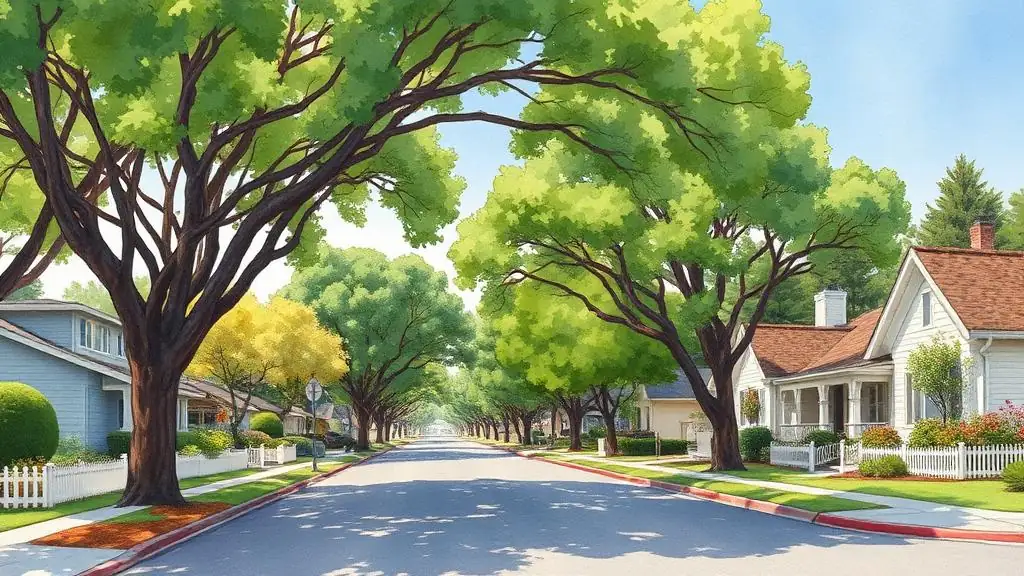
Menlo Park custom homes and teardown rebuilds are reviewed by the City of Menlo Park Community Development Department. Mature trees, tight Peninsula lots, neighbor staging constraints, and the City's electrification reach code on top of the 2025 California Energy Code define the scope before design starts.
CSLB #1156772 · License & insurance details on request
Quick Answer
If you are building or rebuilding in Menlo Park, a written feasibility should confirm zoning (R-1, R-1-U, R-2, etc.), FAR and daylight-plane geometry, the City's heritage-tree inventory at your parcel, electrification reach-code scope, and staging access. That brief is the difference between a real budget and a guess.
Who this is for
- Owners teardown-rebuilding aging single-family homes in West Menlo, Allied Arts, Linfield Oaks, or Suburban Park.
- Buyers under contract on a Menlo Park teardown lot needing pre-close feasibility.
- Homeowners building a new custom home on an intact or assemblage parcel.
- Owners weighing remodel-plus-addition vs full rebuild given tree constraints.
Who reviews new construction in Menlo Park?
Menlo Park is the City of Menlo Park. Planning, plan-check, building permits, and inspections all run through the City's Community Development Department. There is no County review for in-city parcels. Unincorporated West Menlo and Stanford Hills parcels can sit under San Mateo County jurisdiction — confirm on the Assessor record before assuming.
Larger single-family projects typically trigger discretionary architectural review tied to neighborhood compatibility, privacy, and tree impact. Smaller as-of-right projects clear with administrative review.
What ground-up projects suit Menlo Park
Teardown rebuilds
Removal of an aging home and a current-code ground-up replacement on the same parcel.
Custom homes on intact lots
Ground-up homes on parcels designed against the City's FAR, height, and daylight rules.
Major remodel-plus-addition
Reuse of foundation and partial primary structure when trees or design review constrain a full rebuild.
ADU + primary rebuild
Pairing a state-rules ADU with the primary new construction.
Local constraints that shape Menlo Park budgets and schedules
The City's heritage tree ordinance covers a broad set of species and size thresholds; removal requires a permit and typically replacement planting. Construction near a heritage tree triggers tree-protection fencing, root-zone protection, and arborist monitoring.
Menlo Park has adopted a local all-electric reach code that, combined with the 2025 California Energy Code (effective Jan 1, 2026), pushes most new construction toward heat-pump space and water heating, induction-ready kitchens, and EV-ready service.
Lot frontage, daylight-plane geometry, and second-floor setbacks shape envelope and circulation choices early; later changes are expensive. The design team should be sketching against these constraints from day one.
Cost factors specific to Menlo Park
Tree protection (root-zone fencing, arborist monitoring, hand-dug foundations near heritage trees): variable but real.
All-electric scope (heat pumps, induction, panel and service upgrades, EV-ready): material cost over a gas-baseline package.
Tight-lot staging and neighbor protection: sound walls, dust control, and small-truck deliveries.
Peninsula labor and material stack — Menlo Park finish costs track Palo Alto for comparable scope.
Permit and timeline reality in Menlo Park
Plan on meaningful calendar time for planning and architectural review where required, then plan-check corrections. The full design-permit-build envelope for a Menlo Park teardown rebuild typically runs many months — not weeks.
Clean, complete first submittals shorten corrections cycles. Arborist, geotech where applicable, Title 24, structural, MEP, and architectural belong in one coordinated package.
Engineering you will actually need
Geotechnical report — even flat Menlo Park parcels need soils data; some areas carry liquefaction implications.
Drainage and erosion-control plan for stormwater compliance.
Title 24 Part 6 energy compliance under the 2025 code.
Arborist report and tree-protection plan signed off before grading.
Structural and lateral design suited to parcel-specific soils and seismic profile.
Risks and bottlenecks unique to Menlo Park
Heritage trees discovered late
A heritage tree on or adjacent to the parcel reshapes foundation and basement scope. Survey early.
Unincorporated confusion
Confirm City vs County jurisdiction before any plan production.
PG&E service upgrade
All-electric service upgrades can lag the permit; confirm in feasibility.
Staging on narrow streets
Small-truck deliveries and crane logistics add line-item cost.
Frequently asked questions
- Does the City of Menlo Park or San Mateo County review my project?
- It depends on the parcel. In-city Menlo Park is the City's Community Development Department. West Menlo, Stanford Hills, and Sharon Heights include unincorporated San Mateo County parcels reviewed by the County's Planning & Building Department. Confirm jurisdiction in feasibility.
- Is Menlo Park all-electric?
- Menlo Park has adopted local electrification reach-code requirements that combine with the 2025 California Energy Code to push most new construction toward all-electric — heat-pump space and water heating, induction-ready kitchens, EV-ready service. Confirm the current ordinance scope at permit filing.
- Can I remove a heritage tree to make room for the home?
- Sometimes — but the City's heritage tree ordinance requires a permit and typically replacement planting, and adjacent heritage trees can constrain the work even when they are off-title. An arborist report belongs in feasibility.
- How long does a Menlo Park teardown rebuild take?
- A typical teardown rebuild runs many months from kickoff to permit issuance, then 12–18 months of construction. Architectural review and tree iteration drive the longer end. Feasibility tightens the range to your parcel.
- What does a Menlo Park custom home cost?
- Per-sq-ft ranges track Peninsula benchmarks — Menlo Park sits in the same labor and material market as Palo Alto. We publish honest 2026 ranges on /new-construction/cost and tighten the per-parcel range during feasibility.
- Do I need a geotech report on a flat Menlo Park lot?
- Almost always. Even flat Peninsula parcels can sit inside Seismic Hazard Zones for liquefaction; foundation choice and reinforcement depend on the soils report.
- Does Menlo Park's tree ordinance affect a typical infill rebuild?
- Menlo Park's heritage and street-tree rules can regulate removals and require root-protection during construction. Surfacing regulated trees during feasibility lets architecture and foundation respond to them rather than triggering redesigns after permit.
Official sources
- City of Menlo Park — Community Development Department ↗
City of Menlo Park
Authoritative permit, plan-check, and architectural review portal.
- San Mateo County — Planning & Building ↗
County of San Mateo
Jurisdiction for unincorporated West Menlo and adjacent parcels.
- California Energy Commission — 2025 Energy Code ↗
California Energy Commission
Statewide Title 24 Part 6 baseline effective for permits filed on/after January 1, 2026.
- California Geological Survey — Seismic Hazard Zones ↗
California Department of Conservation
Alquist-Priolo and Seismic Hazard Zone maps for liquefaction and landslide.
- Bay Area Air Quality Management District — J-Number / Asbestos ↗
BAAQMD
Demolition notification and asbestos NESHAP requirements for Bay Area teardowns.
Related pages
- Bay Area regional context for Menlo Park →
Nine-county Bay Area permit patchwork.
- Custom homes on Menlo Park infill lots →
Design-build for one-off custom delivery.
- Menlo Park teardown-rebuild on ranch lots →
Demo + new home on an existing residential lot.
- Menlo Park mid-peninsula cost drivers →
2026 ranges with named drivers.
- City of Menlo Park permit-path expectations →
Realistic schedule, feasibility through C of O.
- Title 24 / CALGreen on Menlo Park rebuilds →
2025 Energy Code (effective Jan 1, 2026).
Screen your Menlo Park lot for review, trees, and rebuild logic
We start every ground-up engagement with a written preconstruction feasibility review — before any contract is signed.
Screen your Menlo Park lot for review, trees, and rebuild logic